Bolivia eSIM: Neden SIM Karttan Daha İyi?
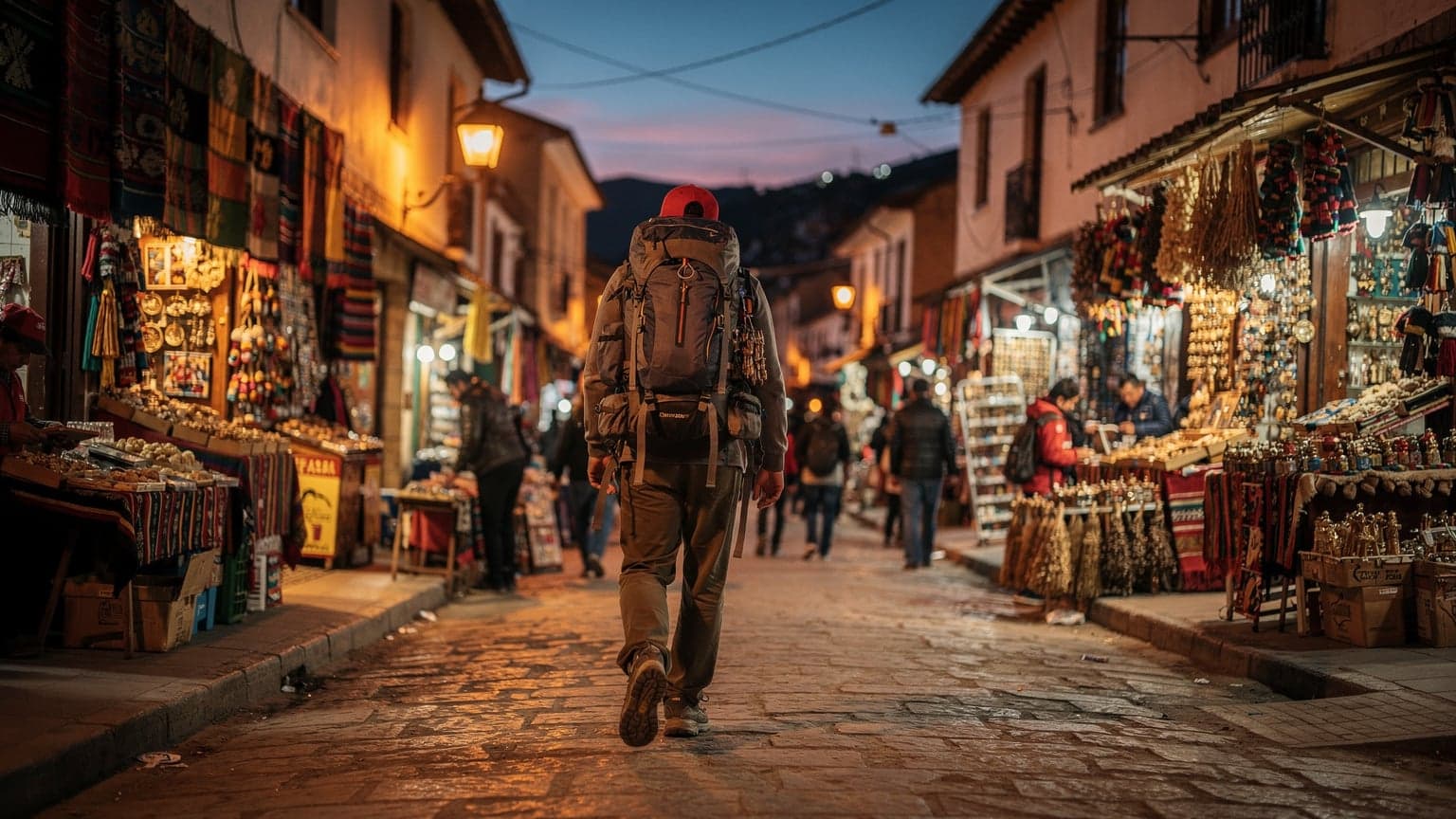
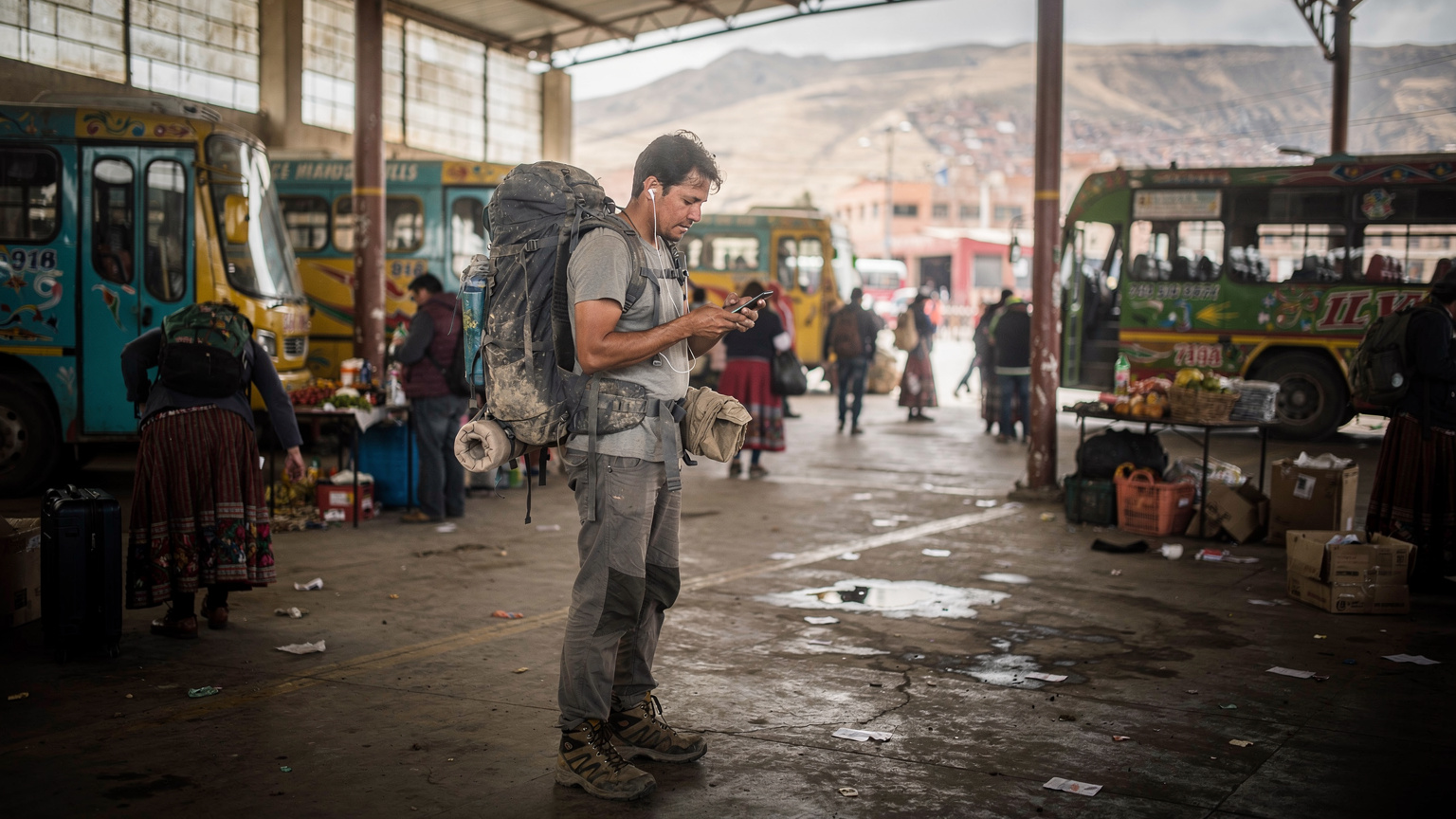
Look, I've spent enough time fumbling with tiny SIM cards in dimly lit bus terminals to tell you straight: eSIMs are a game-changer for independent travelers. Especially in a place like Bolivia where time is money, and sometimes the only place to buy a local SIM is a tiny kiosk with questionable hours. You're not going to want to waste precious daylight trying to find a Tigo or Entel store, let alone dealing with registration paperwork when you could be exploring the Witches' Market in La Paz or hiking around Isla del Sol.
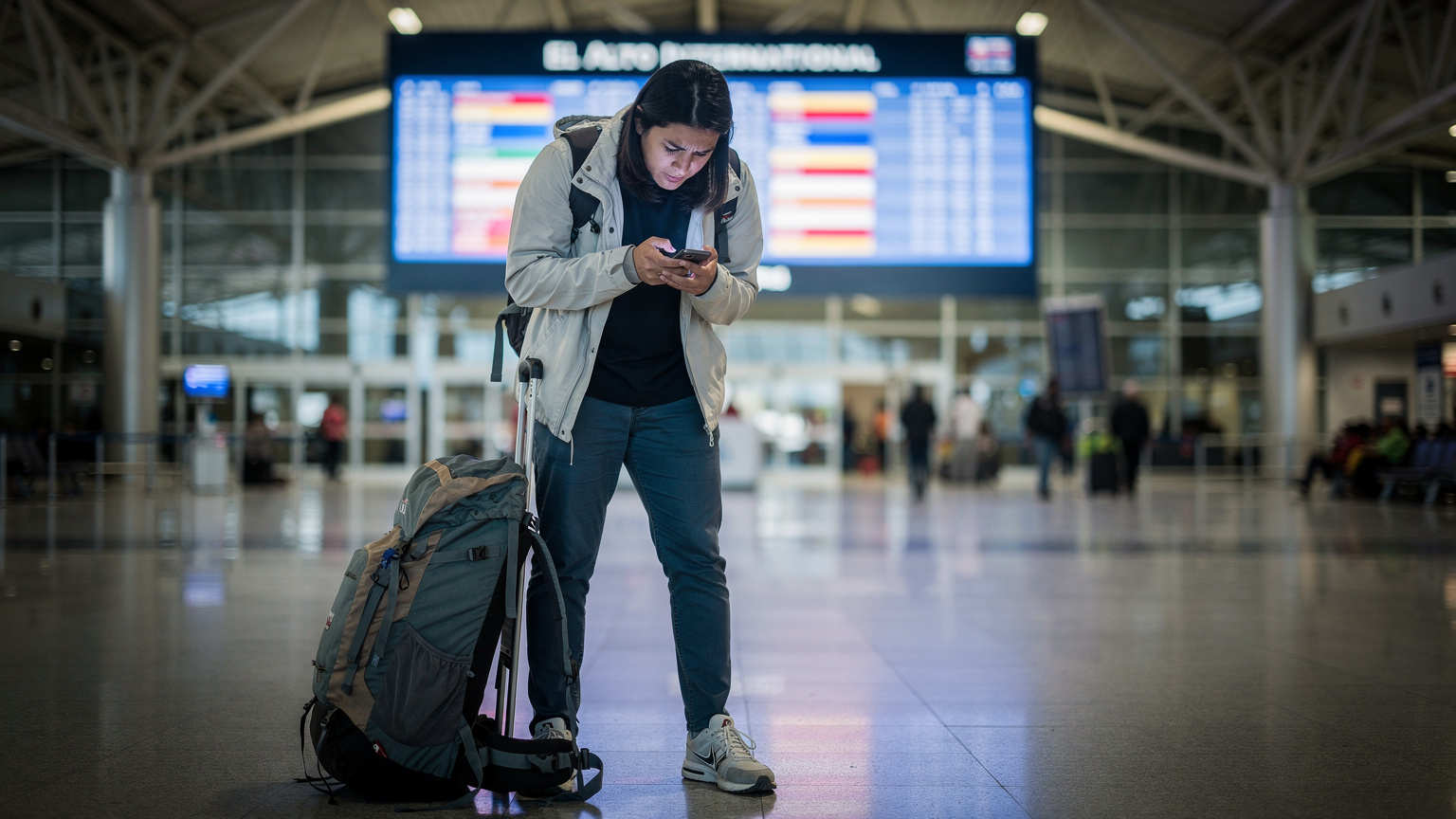
Think about it. You land at El Alto International (LPB), tired from a long flight from LAX, probably a bit light-headed from the altitude. The last thing you want is to hunt for a SIM. With an eSIM, your data is active the moment you touch down. No language barriers, no shady street vendors, no worries about compatibility. For someone who tracks every euro, avoiding these small frictions adds up to real savings, both in money and sanity.
Your AT&T plan will likely offer an international day pass, probably around $10-15 USD. For a typical 10-day trip, that's $100-150 just for basic connectivity. My entire 8-day trip to Bolivia, including data, came in at a fraction of that. When you're trying to do a country for €40/day, those day passes are budget killers.
Bolivya İçin En İyi eSIM Sağlayıcıları (2026)
When you're looking for an eSIM for Bolivia, you're essentially looking for a provider that partners with the local networks that offer the best coverage. In Bolivia, those are primarily Entel, Tigo, and Viva. Entel generally has the broadest reach, especially outside major cities, but Tigo is strong in urban centers. Viva is usually the budget option, but with less reliable coverage.
For 2026, I've found that Cellesim consistently offers competitive pricing and solid coverage, often leveraging the Entel network. Other popular providers like Holafly or Airalo are also options, but always check their specific partner networks for Bolivia to ensure you're getting the best local connection. Sometimes a provider will claim "Bolivia coverage" but only partner with Viva, which can be spotty in the rural areas you'll likely want to explore.
Here's a quick comparison of what you might expect from top eSIM providers for Bolivia in 2026. Keep in mind these are general benchmarks, and prices can fluctuate.
| eSIM Sağlayıcı | Önerilen Plan (Örnek) | Tahmini Maliyet (10 Gün) | Yerel Ortak Ağlar | Kapsam Güvenilirliği |
|---|---|---|---|---|
| Cellesim | 5 GB / 15 Gün | €25 - €35 | Entel, Tigo | Çok İyi (Şehirler ve ana rotalar) |
| Holafly | Sınırsız Veri / 10 Gün | €35 - €45 | Tigo | İyi (Şehir merkezlerinde daha güçlü) |
| Airalo | 3 GB / 7 Gün | €20 - €30 | Entel, Viva | Ortalama (Viva kapsama alanı değişken) |
When you're comparing, pay close attention to the GB offered versus the duration. An "unlimited" plan might sound great, but often comes with daily fair usage policies that throttle your speed after a certain point. I prefer a fixed GB plan that lets me control my usage and avoid surprises. For a deeper dive on pricing, you might want to check out comparisons like Holafly Discount Codes 2026: Are They Worth It, Or is Cellesim Cheaper?
Yerel SIM Kart Alternatifleri ve Maliyeti
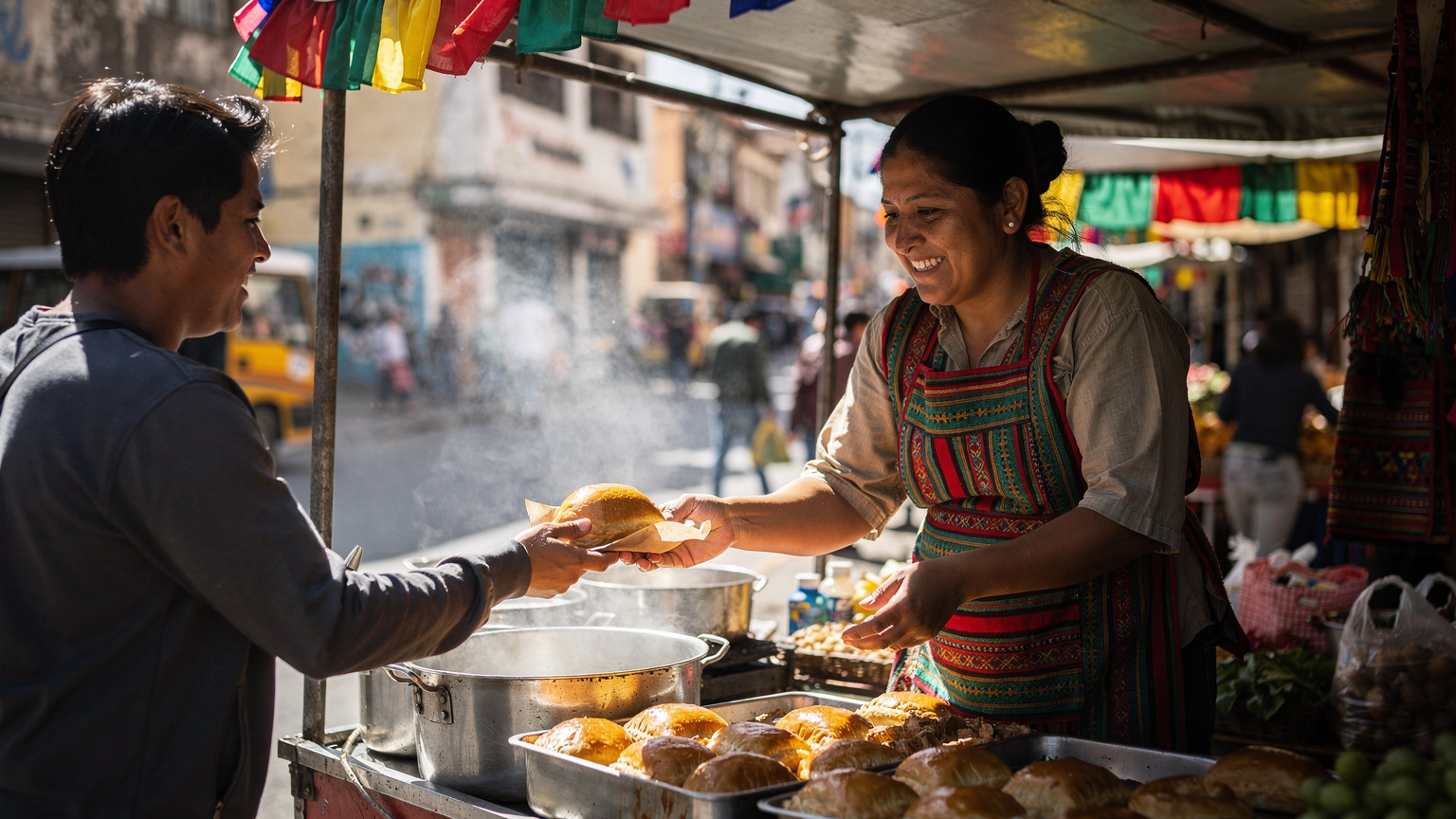
Okay, let's talk local SIMs for fairness. If you absolutely insist on getting a physical SIM card, your best bet is to go for an Entel or Tigo SIM. You'll find their official stores in most major cities like La Paz, Santa Cruz, or Cochabamba. Expect to pay around 15-20 BOB (Bolivian Bolivianos) for the SIM itself, then another 20-50 BOB for a data package, depending on how much data you need. For example, a 5GB package might run you about 30 BOB (€4-5), valid for 7-10 days.
The catch? The registration process. By law, you need a passport and sometimes proof of address, which can be a hostel booking. It's usually straightforward but can take time, especially if the staff aren't used to dealing with foreigners or if the system is slow (which it often is). I've spent an hour in a Tigo store in Santa Cruz doing this, wishing I'd just used an eSIM. Plus, you need an unlocked phone, which isn't always a given for everyone, especially those still tied to their US carriers like AT&T.
Another thing to consider with local SIMs is topping up. You'll need to find a street vendor or a small shop with a "recarga" sign. It's easy enough in cities, but out in rural areas or smaller towns, it can be a scavenger hunt. An eSIM avoids this entirely, letting you top up right from your phone. When you're counting every peso, that convenience has a value.
Veri Kullanım Rehberi: Gerçekçi Beklentiler
How much data do you actually need for Bolivia? I track my usage religiously, and for a typical day of backpacking, here's my breakdown:
- Maps and Navigation (Google Maps, Maps.me): 100-200 MB/day (especially if pre-downloading maps)
- WhatsApp (messaging, light calls): 50-100 MB/day
- Social Media (Instagram, Facebook - light browsing): 200-300 MB/day
- Email & Web Browsing: 100-150 MB/day
- Occasional Video Calls (WhatsApp, Messenger): 300-500 MB/call
On an average day, I'm burning about 0.8-1 GB. So, for my 8-day trip, that's roughly 8 GB. My 10 GB eSIM plan was more than enough, costing me about €30. Compared to AT&T's €10/day pass, that's €80 versus €30, a clear winner. Even if you're a heavy user, streaming a lot of music or videos, you're unlikely to exceed 2GB/day unless you're constantly on Netflix.
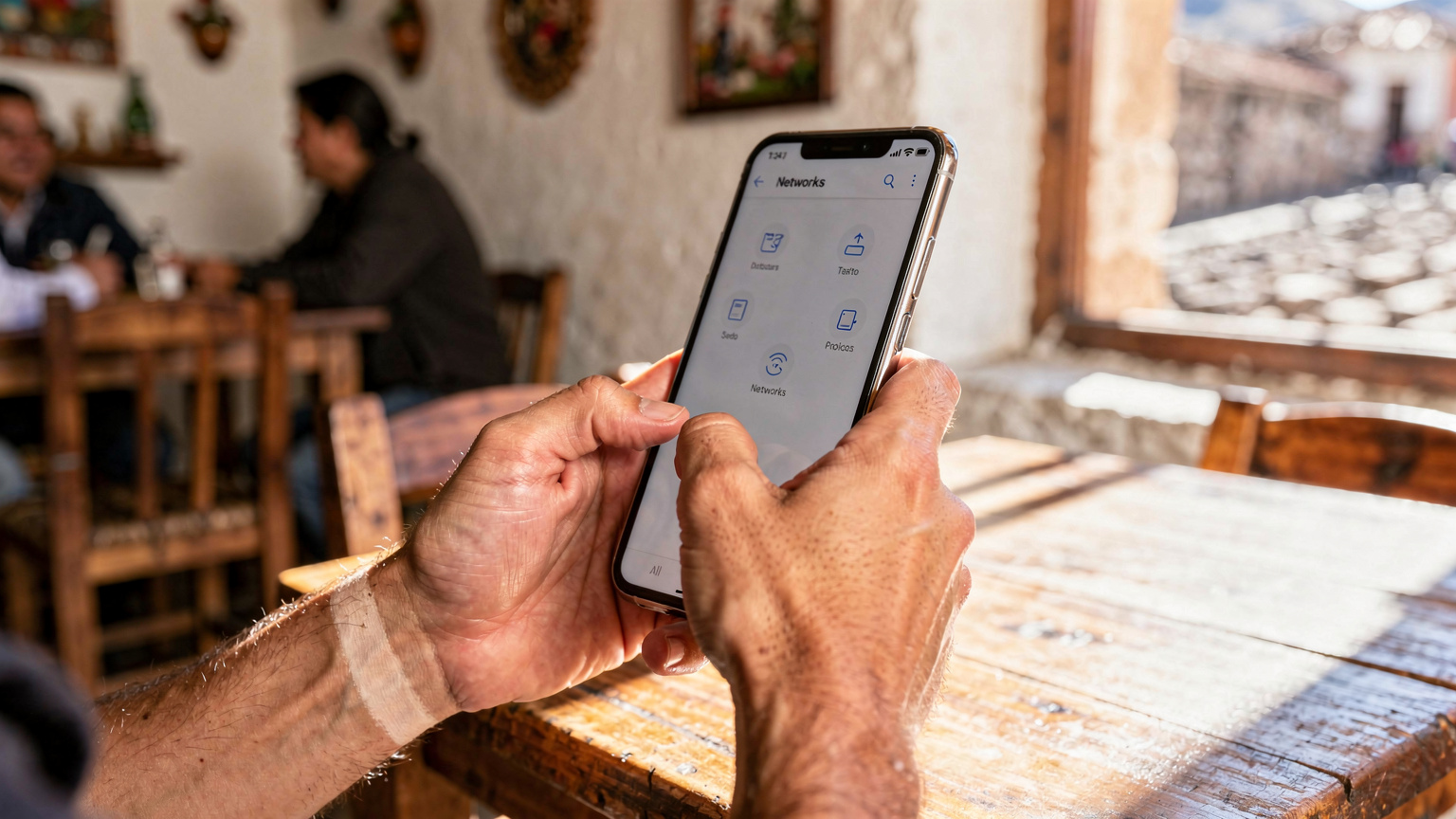
My advice? Start with a 5GB or 10GB plan for a week or two. You can always top up if you run low, which is another huge advantage of eSIMs over physical SIMs. No need to hunt down a store; it's all done through the app.
| Aktivite | Tahmini Günlük Veri Tüketimi |
|---|---|
| Haritalar ve Navigasyon | 100-200 MB |
| Mesajlaşma (WhatsApp) | 50-100 MB |
| Sosyal Medya (Hafif Kullanım) | 200-300 MB |
| Web'de Gezinme ve E-posta | 100-150 MB |
| Video Aramaları (Ara sıra) | 300-500 MB / arama |
| Müzik Akışı | 200-400 MB / saat |
| Video Akışı (SD kalitesi) | 700 MB - 1 GB / saat |
Bolivya Sınır Geçişleri ve eSIM Taktikleri
Bolivia is often part of a larger South American itinerary, meaning you'll likely cross overland borders. I've done the Desaguadero crossing from Peru, and the Villazón crossing into Argentina. These are notorious for being chaotic, with long lines, unofficial money changers, and very little in the way of official services. Your phone's data connection can be your lifeline here.
An eSIM that covers multiple countries, or at least activates seamlessly on arrival, is crucial. Imagine getting off a cramped night bus from Puno to La Paz, confused and tired, only to find the border town has no functional SIM kiosks. That's a real scenario. With an eSIM, you don't even have to think about it. Your data just switches from your Peru plan to your Bolivia plan (if you have a regional eSIM) or activates your dedicated Bolivia plan.
This is where multi-country or regional eSIMs shine. If you're hitting up Peru, Chile, and Argentina along with Bolivia, a regional Latin America eSIM package can be far more cost-effective than buying individual country plans. Just make sure the regional plan includes Bolivia and specifies its local network partners. For example, some regional plans might be great for Argentina but use a weaker network in Bolivia. Always double-check.
Kurulum Rehberi: eSIM Nasıl Çalışır
Setting up an eSIM is surprisingly simple, even for someone who usually struggles with tech. Here's the drill:
- Purchase Your eSIM: Go to a reliable provider like Cellesim. Choose a plan that fits your data needs and trip duration. You'll get a QR code or manual activation details via email.
- Scan the QR Code: Before you leave LAX (or at least before you land in Bolivia), go to your phone's Settings > Cellular (or Mobile Data) > Add Cellular Plan. Scan the QR code. Make sure you're connected to Wi-Fi when you do this.
- Label Your eSIM: Your phone will prompt you to label your new plan. Call it "Bolivia Travel" or something similar. This helps you distinguish it from your home AT&T line.
- Set Data Roaming: Crucially, switch your new eSIM to be your primary line for cellular data. Then, go into its settings and ensure "Data Roaming" is turned ON for the eSIM. For your AT&T line, turn Data Roaming OFF completely to avoid those exorbitant day pass charges.
- Arrive and Connect: Once you land in Bolivia, your phone will automatically connect to the partner network. No more frantic searching for a SIM card. It's truly that straightforward.
I usually do this while waiting for my flight at the airport. It takes literally two minutes, and then it's one less thing to worry about when you're navigating a new country. It's a huge time saver, especially if you're arriving during odd hours or at a smaller airport like Cochabamba (CBB).
Son Karar: Bolivya İçin Hangisi?
For independent travelers heading to Bolivia in 2026, an eSIM is, hands down, the smartest move for connectivity. You save money, time, and avoid potential headaches at the border or in obscure phone shops. While local SIMs are technically cheaper upfront, the convenience and reliability of an eSIM often make it the better long-term budget decision.
My personal pick for Bolivia is a Cellesim plan. Their coverage tends to be robust, thanks to partnerships with major local carriers like Entel, and their pricing is competitive. Always get enough data for your expected usage (remember my 0.8-1 GB/day benchmark) and ensure your phone is eSIM-compatible before you go.
Forget the stress of finding a local SIM or paying AT&T's daily roaming fees. With a reliable eSIM, you can focus on what really matters: exploring the vibrant markets, ancient ruins, and stunning landscapes of Bolivia, all while staying connected for emergencies, navigation, and sharing your epic photos.
Frequently Asked Questions
Bolivia'da eSIM kullanmak yerel bir SIM karttan daha mı pahalı?
Başlangıç maliyeti olarak yerel bir fiziksel SIM kart genellikle daha ucuzdur, ancak eSIM'ler kurulum kolaylığı, anında aktivasyon ve yerel mağaza arama ihtiyacını ortadan kaldırmasıyla zaman ve stres tasarrufu sağlar. Bu, özellikle sınırlı bir bütçeyle seyahat edenler için dolaylı bir maliyet tasarrufu anlamına gelir.
Hangi Bolivya mobil operatörleri eSIM'leri destekliyor?
Bolivya'daki ana mobil operatörler Entel, Tigo ve Viva'dır. Cellesim gibi eSIM sağlayıcıları genellikle bu ağlarla ortaklık kurar. Entel genellikle en geniş kapsama alanına sahipken, Tigo şehir merkezlerinde güçlüdür.
Bolivya'da bir eSIM ile ne kadar veri kullanmam gerekir?
Ortalama bir bağımsız gezgin günde 0.8 ila 1 GB veri tüketir. Bu, haritalar, mesajlaşma, hafif sosyal medya kullanımı ve e-posta için yeterlidir. 8 günlük bir seyahat için 8-10 GB'lık bir plan genellikle yeterli olacaktır.
Bolivya'ya gitmeden önce eSIM'imi kurabilir miyim?
Evet, kesinlikle! Aslında, Bolivya'ya varmadan önce, örneğin LAX'ten kalkışınızdan önce, Wi-Fi bağlantınız varken eSIM'inizi kurmanız şiddetle tavsiye edilir. Bu, iniş yapar yapmaz bağlantınızın olmasını sağlar.
Bolivya'da eSIM'imle görüntülü arama yapabilir miyim?
Evet, yeterli veri planınız olduğu sürece görüntülü aramalar yapabilirsiniz. Görüntülü aramalar normal mesajlaşmadan daha fazla veri tüketir, bu yüzden bu tür kullanımlar için daha yüksek bir veri limitine sahip bir plan seçmeniz veya Wi-Fi kullanmanız gerekebilir.
Bolivya'da bir eSIM kullanırken AT&T roaming ücretlerinden nasıl kaçınırım?
AT&T hattınız için veri dolaşımını (data roaming) telefon ayarlarınızdan tamamen kapatın. eSIM'inizi veri için birincil hattınız olarak ayarlayın ve yalnızca eSIM'iniz için veri dolaşımını etkinleştirin. Bu, istemeden yüksek ücretlere maruz kalmanızı engeller.